
By Chris Acuff
TTRPGs are more interesting with humanistic enemies

	While many of the opponents in most TTRPG monster manuals are bestial/ unintelligent or act bestial/ unintelligent, I have found that running intelligent or humanistic enemies creates a much more engaging problem for a game than something that may just act more or less like a rabid animal.
This primarily looks like making humanistic actions, or actions similar to how a player would react to the situation. If I am lucky this will turn into some kind of series with more detail but some specifics that I think of from my own games would be:
-Running away rather than fighting to the death
-Creative spell usage
-Out of combat/ precombat interactions
-Using organizations

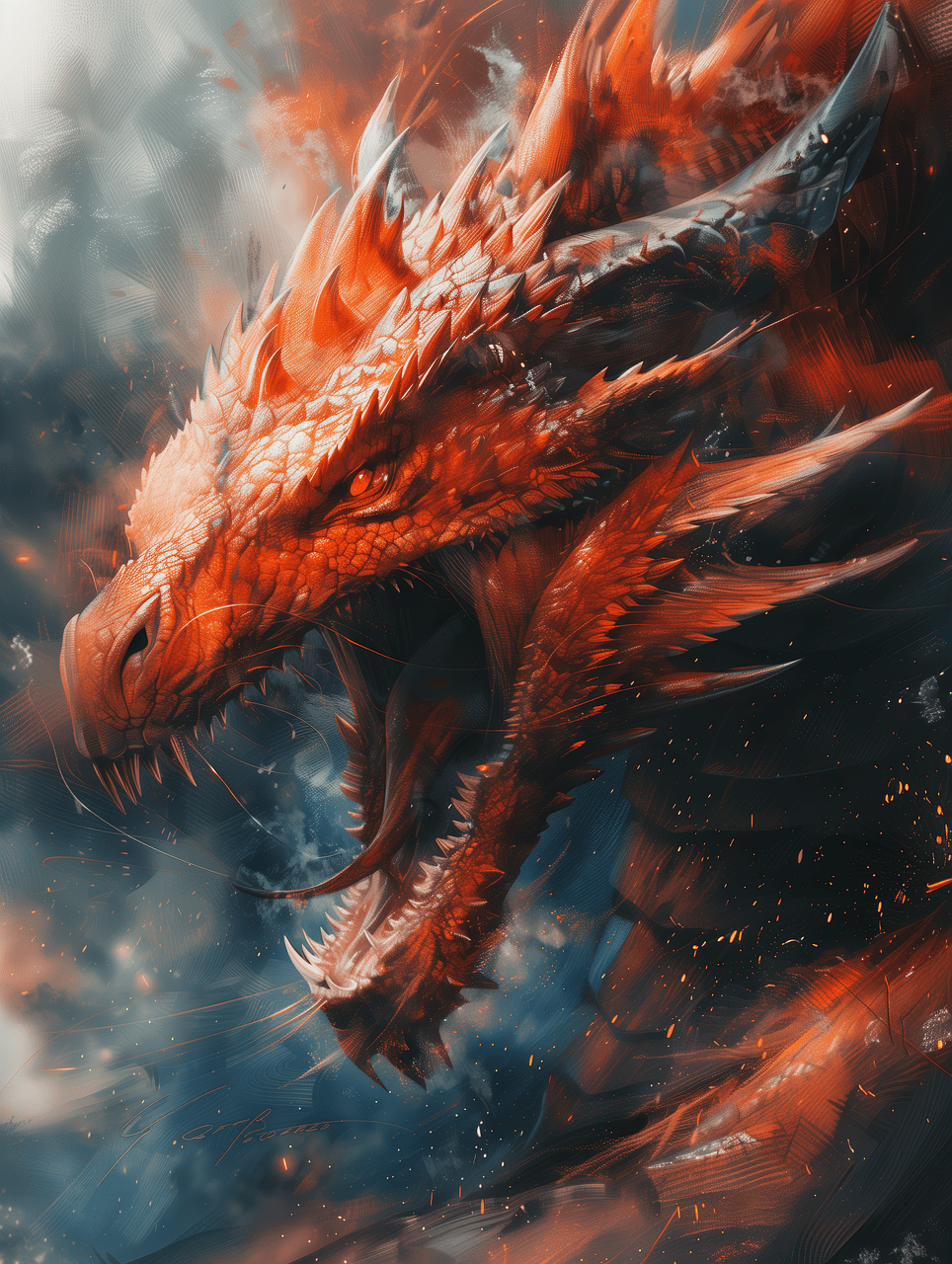
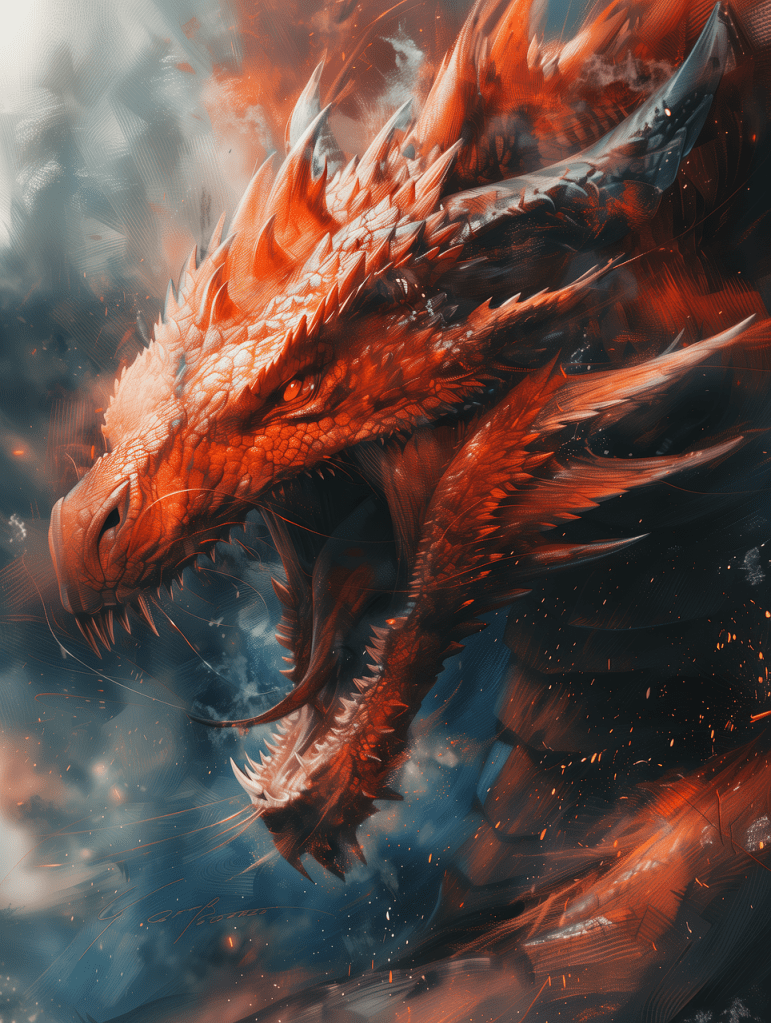
	Let’s say you want the campaign to be about a dragon-classic, and we want this dragon to be an intelligent actor rather than a rabid animal. This dragon has goals: yes to protect its hoard and territory, but also to build a powerbase and its own dynasty. Dragons can make perfect metaphors for greedy tyrants in this way.
	So now you have the Ancient Red Dragon Bezös, CEO of Red Dragon Incorporated, who has taken up residence in Prime Mountain with his army of kobolds. These kobolds are sent out as a cheap delivery service, cheaper for the local merchants and more organized than the locals, and if you don’t use them, well, it’d be a shame if the dragon accidentally lit the roof of your business on fire and carried off your sheep, you should have hired better security after all.
Maybe we are getting close to being too on the nose…
Now we have a lived in world, there’s a sense of an economy that could be understood by players and a reason for NPC actions, incentives to interact with the dragon, or fight against it. There’s a history- a before the dragon, and a conflict, and of course a bbeg.
There are some things that can be done here to set this apart from what might be considered a “standard” campaign experience, and if you have played “Curse of Stradh” you might be familiar with how some of these elements can work.
The players start as security guards for a merchant working in the region, a merchant who- gasp- refuses the kobold delivery service. Signs start showing up, and one of the merchant’s horses are killed, that’s why they hired the party after all, and the risk is becoming greater and greater.
Yes, a raiding party of kobolds is your party’s first encounter, but a couple of things are different from how they might have experienced this before, notably, the Kobolds act with structure.
There is a leader, whose survival is important to the underlings, and who tries to run away when the situation gets bad, even calling up the underlings to die in their place to get away. It can be understood that this leader getting away is a type of “fail state” for the battle, now there is another element to it beyond just “kill all the bad guys” because if this leader escapes, they recognize the party members, they can bring word of what happened with the raid back to the organization. (maybe this is a weak example because hey Chris, if they’re all dead wouldn’t the org assume the same thing? Yes, maybe, but now there is a survivor with proof, and this is just a simple example, I am sure you can invent better)
If the leader gets away, the party has technically failed their first fight, and now the organization can come after the party during downtime or in the “regular” lives. There are out of combat events where people otherwise they wouldn’t have expected to be working for the organization try to poison them, they are blacklisted from other merchants or guilds, even the paladin’s holy order starts giving him the side eye after Red Dragon Incorporated made such a gracious donation for the new stained glass windows. Rather than solving the organization’s problem though, this glues the party together, acts as the inciting incident for their adventure, and as non-combat encounters to propel the story and build the world.
Now the party gears up to go after the company’s local representative, a kobold with rudimentary understanding of the Bureaucratic school of magic. “Cloud of Paperwork” is a rebrand on burning hands, those edges give vicious papercuts after all.
As the party approaches this representative’s fortress-office, they should have to deal with the kind of magic tricks players of the same level might come up with. Doors? Sure they may all have arcane lock cast on them, and sure the password might just be “Password12345,” but did you also catch the alarm spell? What about that box of caltrops that is spring-loaded to fire all over the floor of the fortress-office entrance? These are all challenges and traps than an intelligent, low level opponent would have prepared for such a situation.
If you are running a proper dungeon run, where players must face multiple encounters before the final boss chamber, then there is opportunity for their opponent to do likewise. He’s a great manager, world’s #2 boss (behinds the dragon of course) who will do his best to motivate his underlings, rally and set defences, and fire cantrips from safety. Afterall, he doesn’t want to stick his own neck out until it is absolutely necessary. He is acting in a humanistic way, not just waiting in a hidden cave, doing stock animations until the players arrive to slay him.
(This is also a great way to use 2nd in commands, minibosses that work for the area boss, who might be working on their own special preparations.)
Having organized enemies operate this way creates more engaging stories, where the players are both proactive and reactive. Their enemies should take actions in the world, should prepare for their arrival, and also should be willing to protect their own neck and escape if they get the chance.
 Paragon
Leave a comment